


CPK (MB) Test in Meerut
Also called: CK-MB, CKMB, CPK-MB
- SAMPLE
- Blood
- Report
- Same or next day
- PREPARATIONS
- No special preparation
The test at a glance
- What it checks
- CPK (MB), Serum test is a clinically significant diagnostic investigation used to evaluate, screen, or monitor underlying health conditions. It provides actionable insights that support early diagnosis, treatment planning, and long-term disease management.
- Report delivery
- Sample before 12 PM → by 8:30 PM today | Sample after 12 PM → by 1 PM tomorrow
- Test for
- Men, Women
- Age group
- All Ages
- Commonly advised for
- Chest pain, shortness of breath, nausea
What is a CPK (MB) Test ?
Know More About This Test
CPK-MB is a cardiac-specific isoenzyme of creatine phosphokinase, released into the blood when heart muscle cells are damaged. It has historically been used to diagnose and monitor myocardial infarction.
Although troponins are now preferred, CPK-MB still plays a role in assessing reinfarction and cardiac injury.
Why Is This Test Recommended?
This test is recommended in suspected heart attack, chest pain evaluation, cardiac surgery follow-up, and monitoring reinfarction.
What Do the Results Indicate?
Elevated CPK-MB levels suggest cardiac muscle damage. Rising trends indicate ongoing injury, while declining levels suggest recovery.
How Is the Test Performed and Prepared For?
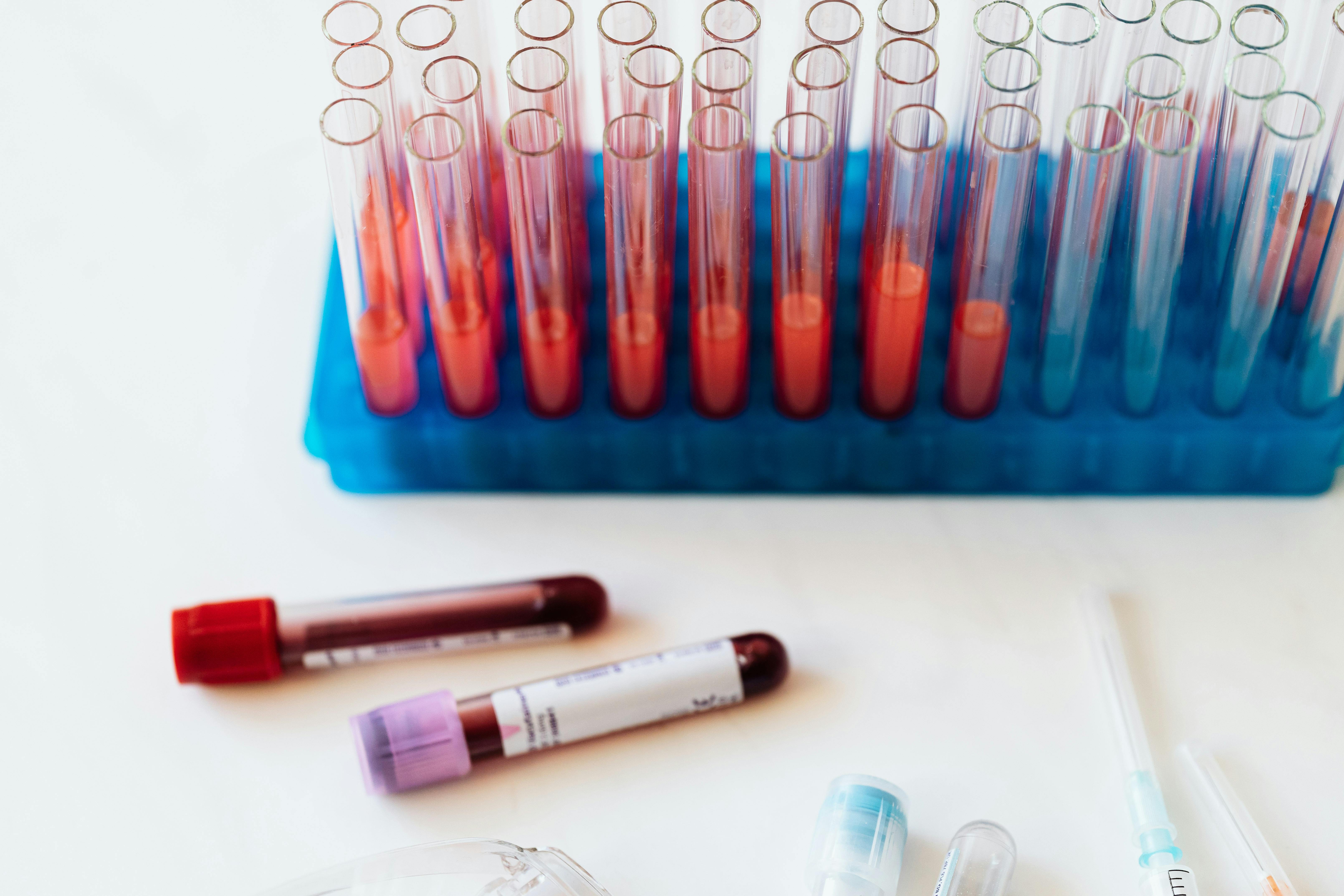
A blood sample is collected. No fasting is required. Timing after symptom onset is critical.
Frequently Asked Questions (FAQs)
- Is it better than troponin? No, troponin is now considered the gold standard for diagnosing heart attacks due to its higher cardiac specificity and sensitivity; however, CPK-MB remains useful in specific situations like detecting reinfarction or when troponin levels remain elevated from previous cardiac events.
- Does exercise raise CPK-MB? Slightly; while strenuous exercise primarily elevates total CPK from skeletal muscle, it can cause mild CPK-MB elevation, though not typically to the levels seen in cardiac injury, making clinical context important for interpretation.
- How soon does it rise? 4–6 hours; CPK-MB levels typically begin to rise 4–6 hours after heart muscle damage occurs, peak at 12–24 hours, and return to normal within 2–3 days, which is why timing of sample collection is crucial.
- Can it detect reinfarction? Yes, CPK-MB is particularly useful for detecting reinfarction (a second heart attack occurring shortly after the first) because it normalizes faster than troponin, allowing doctors to identify new cardiac damage within days of an initial event.
- Is repeat testing needed? Often, repeat testing at specific intervals (typically every 6-12 hours) is needed to track the rise and fall pattern of CPK-MB levels, which helps confirm diagnosis, assess extent of cardiac damage, and monitor recovery or detect complications.
Who should take this test
CK-MB is a marker that comes mainly from the heart muscle. It is advised if:
- You have chest pain or pressure
- You have breathlessness with chest discomfort
- Your doctor is assessing recent heart muscle damage
- You are being monitored after a heart event or procedure
CPK (MB) Test testing in Meerut
Tapadia Diagnostic Centre in Meerut offers NABL-accredited CPK (MB) Test test from a Blood sample(s). CK-MB, CKMB, CPK-MB is also prescribed for Chest pain, shortness of breath, nausea. Established in 1989, this doctor-led diagnostic centre ensures high accuracy. Home sample collection and walk-in facility available at our Meerut center. Pay at the centre with no advance payment. Book online or visit us.
Frequently asked questions
Related Pathology Tests in Meerut
Centers You Can Choose To Visit
CPK (MB) Test in Meerut
Rated 4.6 on Google From 6,477 patient reviews across our Hyderabad centres.
Every report, kept for you Past reports stay in your account and can be downloaded again.
NABL accredited Every result reviewed by a qualified pathologist before it reaches you.
Four decades of practice A family-run diagnostic centre, trusted by doctors and households since 1989
Medically Reviewed by Qualified Biochemists

CPK (MB) Test in Other Cities
Master Health Checkup (Blood) in MeerutHIV 1 & 2 Antibodies, Serum-Elisa Method in MeerutDengue IgG, IgM Antibodies + NS1 Antigen-Rapid, Serum in MeerutLipoprotein A (Lp A), Serum in MeerutErythrocyte Sedimentation Rate (ESR) in MeerutThyroxine Total (T4), Serum in MeerutTriiodothyronine Total (T3), Serum in MeerutCA 19.9 (Pancreatic Cancer Marker), Serum in MeerutNIPT with Microdeletions in MeerutNIPT Basic in MeerutComplete Blood Picture (CBP) in MeerutSerum Phosphorus Test in MeerutTIBC in MeerutUrology Profile in MeerutBeta HCG Free, Serum (Pregnancy Test) in MeerutViral Screening in MeerutAFP Test in MeerutMicroalbuminuria test in MeerutDiabetes Testing (FBS + PLBS) in MeerutAntithrombin III in MeerutD-dimer test in MeerutCreatine Kinase (CK) Test in MeerutAST Test in MeerutCardiac Markers in MeerutPap Smear - LBC in MeerutDVT Profile in MeerutBleeding Time and Clotting Time (BT & CT) in MeerutEstradiol Test in Meeruths-CRP Test in MeerutAlkaline Phosphatase (ALP) Test in MeerutFertility Profile in MeerutAlbumin blood test in MeerutTroponin T in MeerutInfertility Profile Extended in MeerutElectrolyte Panel in MeerutAnticardiolipin Antibodies (IgG) in MeerutPSA Test in MeerutFSH Test in MeerutSTD Panel in MeerutPCOS Profile in MeerutSerum Iron Test in MeerutCardiac Profile-III in MeerutPlasma Fibrinogen Test in MeerutHBsAg Test in MeerutCardiac Biomarker Test in MeerutHerpes Simplex Virus (HSV) Types 1 and 2 Antibody Test in MeerutAntenatal Profile in MeerutActivated Partial Thromboplastin Time in MeerutLipid Panel in MeerutFine Needle Aspiration Cytology in MeerutCRP test in MeerutJoint Pain / SLE / Collagen Profile-I in MeerutPAPP-A Test in MeerutInsulin Test in MeerutTriple Screen Test in MeerutAnti-HCV Test in MeerutBasic Metabolic Panel (BMP) in MeerutVery low-density lipoprotein (VLDL) test in MeerutFree Testosterone in MeerutTriglycerides Test in MeerutQuad Screen in MeerutFolic Acid in MeerutUrinalysis in MeerutCEA Test in MeerutFerritin Test in MeerutTransferrin Saturation% in MeerutProtein C Antigen in MeerutAlpha Feto Protein (AFP) - Fluid in MeerutCPK (MB) Test in MeerutLupus Anticoagulant Testing in MeerutReticulocyte Count in MeerutInfertility Profile-Basic in MeerutBeta hCG Test in MeerutDIABETIC PROFILE in MeerutLH Test in MeerutAnti-Müllerian Hormone (AMH) Test in MeerutBile Salts and Bile Pigments, Urine in MeerutHbA1c in MeerutVitamin D (1,25-Dihydroxyvitamin D) in MeerutLiver Function Test (LFT) in MeerutAnemia Profile Basic in MeerutRheumatoid Factor in MeerutWidal Test in MeerutBilirubin blood test in MeerutInhibin A, Tumor Marker, Serum in MeerutThyroid Function Tests in MeeruteGFR in MeerutMenopause Profile in MeerutEXTENDED DIABETIC PROFILE in MeerutLDH Test in MeerutTotal Cholesterol Test in MeerutRandom Blood Sugar Test in MeerutTotal Protein Test in MeerutRPR test in MeerutAnti-dsDNA Test in MeerutHDL Cholesterol in MeerutBlood Type Test in MeerutASO Titre in Meerut Blood Urea(Serum) Test in MeerutPostprandial Blood Sugar Test in MeerutBack Pain Profile in MeerutANA test in MeerutSerum Creatinine Test in MeerutPT/INR Test in MeerutFasting Blood Sugar Test in MeerutExtended Anemia Profile III Executive in MeerutKidney Function Test (Renal Profile) in MeerutSerum Magnesium Test in MeerutWell-woman exam in MeerutLDL cholesterol test in MeerutProlactin Test in MeerutMalaria Blood Smear in MeerutLiver Function Test (+GGT) in MeerutTPHA Test in MeerutHepatitis B Surface Antigen (HBsAg) Test in MeerutAntenatal Profile 2 in MeerutTSH Test in MeerutCardiac Catheterization in MeerutCardiolipin Antibody (IgM) in MeerutMaster Health Checkup (BL+RADIO) in MeerutCalcium Profile in MeerutCoagulation Profile in MeerutUric Acid Test in MeerutVitamin D (25 - Hydroxy Vitamin D, Serum) in MeerutGlobulin Test in MeerutFever Profile Test in MeerutConnective Tissue Disease Profile in MeerutCalcium Blood Test in MeerutIHC in MeerutEstriol Unconjugated (E3) Test in MeerutBlood Typing in MeerutVitamin B12 Test in MeerutSerum Cortisol in MeerutDouble Marker Test in MeerutPap Smear, Conventional in MeerutProtein S Activity in MeerutNon-Invasive Prenatal Testing (NIPT) in Meerutwhole exome sequencing in MeerutNewborn Screening (NBS) in MeerutApolipoprotein A1 (Apo A1), Serum in MeerutApolipoprotein B (Apo B), Serum in MeerutRenal Function Test (RFT) in Meerut

 Made with Levo